
Search is not standing still. Google is rolling out AI-generated answers at scale, new Core Web Vitals are live, and visual search keeps improving. Brands that treat SEO as a static checklist risk losing visibility as these shifts accelerate. Future-proofing your strategy now means understanding how search is changing and aligning your content, structure, and tools with that direction.
1. Search is becoming conversational and generative
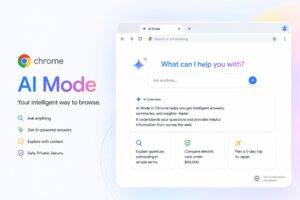
Google’s AI Overviews (and earlier experiments like Search Generative Experience, or SGE) place AI-written summaries above traditional blue links for many queries. These summaries combine information from multiple pages and present an instant answer, especially for complex or multi-step questions.
At the same time, AI-first discovery platforms such as ChatGPT, Gemini, Perplexity, and others are shaping how people research products, compare options, and learn.
Tool vendors are reacting. SEMrush, for example, has launched SEMrush One to track how brands appear across AI search tools, framing this as “AI visibility” rather than just classic rankings.
This shift has three practical implications:
- Content must be genuinely useful, complete, and well-structured so AI systems can quote and synthesize it with confidence.
- Sources need clear topical authority, supported by internal linking, expert signals, and consistent coverage of a subject.
- Brand visibility is no longer only a matter of position on a single SERP but of presence across different AI answer engines.
Many teams now use AI SEO platforms that analyze large datasets, predict search trends, and suggest content improvements at scale. Used wisely, these tools free specialists to focus on strategy, editorial judgment, and user experience rather than only mechanical optimization.
2. From keywords to entities and knowledge graphs
Search engines used to match phrases in queries with phrases on pages. That still matters, but the deeper structure today is entity-based. Google’s Knowledge Graph now encodes billions of “things” and the relationships between them, from brands and people to locations and concepts.
For SEO, this means:
- Your brand, products, and key topics should exist as clear entities, not just strings of text.
- Content should explain how these entities connect: who you serve, which problems you solve, what categories you belong to.
- External references (Wikipedia, industry directories, structured data, authoritative mentions) help search engines confirm those relationships.
Emerging tools now scan your site and map entities, compare them with public graphs, and suggest where schema markup, internal linking, or supporting pages are missing. When you treat your site as a knowledge base rather than a loose set of articles, it becomes easier for AI-driven search to trust and surface your information.
3. Preparing for visual and multimodal search
Search is no longer text-only. Visual search tools such as Google Lens, Pinterest Lens, and Bing Visual Search let users point a camera at an object and receive visually similar items, product pages, or informational content. Pinterest and Google are also rolling out AI systems that describe fashion and other categories from images to suggest better search terms and recommendations.
Google has even begun blending its Gemini AI with visual search, allowing users to ask questions about images and receive context-aware answers that combine vision and text.
To future-proof SEO for this environment:
- Use high-quality, original images rather than generic stock.
- Add detailed, natural-language alt text and surrounding captions that describe the subject, context, and use case.
- Implement structured data for products, recipes, how-to content, and local businesses so visual searches can link directly to rich results.
- Keep image sitemaps updated to help search engines discover and index visual assets.
These practices improve accessibility and user experience while also aligning with how visual search engines interpret and rank content.
4. Performance, Core Web Vitals, and technical resilience
Technical quality remains a foundation for long-term visibility. Google’s Core Web Vitals update in March 2024 replaced First Input Delay (FID) with Interaction to Next Paint (INP) as the responsiveness metric, focusing on how quickly a page reacts to user input across their entire visit, not just on the first click.
Modern SEO tools now integrate Core Web Vitals monitoring, lab and field data, and code-level suggestions. Key areas to watch:
- JavaScript bloat and main-thread blocking scripts that hurt INP.
- Image optimization and caching, which affect Largest Contentful Paint (LCP).
- Layout shifts from ads, fonts, and dynamic elements, which affect CLS.
Performance optimization is no longer just a developer concern. It decides whether users stay, interact, and convert, and it influences how search engines perceive the overall quality of your site.
Also Read: Win Nearby Customers, Local Search Tactics for San Francisco Firms
5. Practical steps to stay ahead
Future-proofing SEO is less about predicting a single change and more about building adaptability into your processes. A few habits help:
- Document your topical focus: Clearly define the themes where you want to be seen as an authority, then plan content clusters and entity relationships around them.
- Audit your structured data: Make schema markup, internal links, and entity references part of your regular SEO reviews rather than one-off projects.
- Treat visual assets as strategic: Assign ownership for image quality, metadata, and testing across visual search platforms.
- Schedule technical health checks: Tie Core Web Vitals, crawl errors, and log data into quarterly or monthly reviews with both marketing and engineering.
- Train your team on AI-era search: Help writers and stakeholders understand how AI summaries, entities, and visual results affect what users see.
Some organizations handle all this in-house. Others collaborate with an affordable SEO company that understands both long-standing best practices and emerging AI-driven discovery. Search will keep changing, but a strategy that combines strong content, clear entities, technical quality, and thoughtful use of modern tools will age far better than one built only around chasing keywords and quick fixes.